Make sure your dwelling and automotive insurance is everything you need it to be
A
few months ago a
small tornado ripped through the area where I lived. Trees were down,
fences destroyed, houses damaged, the whole nine yards. At my house, we
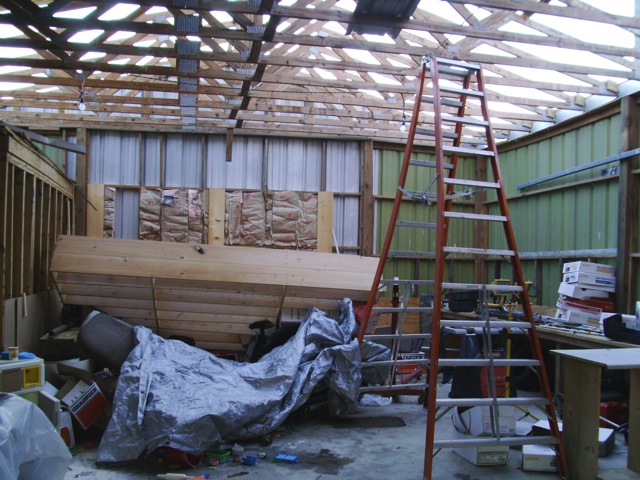
had the unfortunate pleasure of half the roof being torn off my
workshop, the back wall being pushed in which felled a 12 foot high
hand built shelving unit filled with hundreds of pounds of car
parts,and small damage to our house, fences, and destruction of our
kids play set.
Being responsible adults, we have insurance to handle all this. State Farm in fact. It's simple right? You call up, make a claim, everything gets fixed, you pay your deductible, and everything is back to normal in no time.
Of course I learned that is not the case.
Here is what we learned:
#1- Wood fences- We pay extra to have "actual cash value replacement coverage." How it was explained to me is if something happened to your stuff, such as your bed was destroyed by fire, you get to go out, buy a new bed, and they reimburse you for the new bed, not the depreciated value. According to my adjuster, State Farm pays for actual cash value replacement for everything except wood fences. So, if you have a wood fence a few years old and State Farm, be ready to open your wallet.
#2- Car parts- Being in the hobby of vintage cars, and having taken apart a parts car and storing all the good pieces, I acquired a large amount of car parts. In addition, I had various non-Buick parts such as an aluminum radiator, condensor, just general car parts. I went to turn in the damaged item on my personal property worksheet, and low and behold State Farm does not cover car/tractor/machinery parts, PERIOD. No amount of discussion could change this, the adjuster read off the exact line of the policy that absolved them of that liability.
A warning to all of you out there that have a large amount of spare parts, make sure you get insurance coverage for them. I have later discovered my Vintage Automobile policy through Grundy Worldwide covers spare parts, but that wouldn't do me any good on the non-Buick parts. I don't feel I have lost enough Buick parts to be worth making a claim through Grundy.
My Buick was unharmed.
#3 "Dwelling extension"- When I was purchasing insurance, the person at my agents office asked me how much I though it would cost to rebuild my outbuilding. I told them, and was insured for that amount. Well after the tornado happened, I found out I wasn't insuring just the outbuilding, I had "dwelling extension" coverage, which was for anything that was not personal property that wasn't the house. This turned out to be a bad thing. It turned out that the damages to my shop exceeded the insurance coverage I had by about $2000. Not too bad in the scheme of things, but the repair of the chain link and wooden fence were then deducted from that amount. State Farm is "waiving" the deductible, but I'm still going to end up not having something fixed and coming out of pocket because I didn't understand I wasn't buying workshop coverage, I was buying dwelling extension.
My advice:
-Call you insurance agent, and ask questions every time you think of them. It may seem like you are annoying them, but don't leave anything up to guesswork. Also go through scenarios of property you own and see if they let you know you need additional coverages. Food for though: If you and your wife bring home a company laptop, you have more than $3,000 you don't own sitting on your table. Think about this. Also, if you have a take home company vehicle, figure out who pays if it bursts in to flames and causes you or your neighbor damages. This stuff seems out there, but as I have learned, if it can go the wrong way it will.
I wish...
That went you bought insurance, the terms of the policy were written in plain language and came to you in 12 point type in a binder. These 4 point double sided onion-skinned lawyer definition filled pages of policy restrictions are not a good business practice in my opinion. What 79 year old widow would understand what "hydraulic movement" is in an insurance policy?
My new unnatural skylight along with what used to be where I stored all my car parts
Being responsible adults, we have insurance to handle all this. State Farm in fact. It's simple right? You call up, make a claim, everything gets fixed, you pay your deductible, and everything is back to normal in no time.
Of course I learned that is not the case.
Here is what we learned:
#1- Wood fences- We pay extra to have "actual cash value replacement coverage." How it was explained to me is if something happened to your stuff, such as your bed was destroyed by fire, you get to go out, buy a new bed, and they reimburse you for the new bed, not the depreciated value. According to my adjuster, State Farm pays for actual cash value replacement for everything except wood fences. So, if you have a wood fence a few years old and State Farm, be ready to open your wallet.
#2- Car parts- Being in the hobby of vintage cars, and having taken apart a parts car and storing all the good pieces, I acquired a large amount of car parts. In addition, I had various non-Buick parts such as an aluminum radiator, condensor, just general car parts. I went to turn in the damaged item on my personal property worksheet, and low and behold State Farm does not cover car/tractor/machinery parts, PERIOD. No amount of discussion could change this, the adjuster read off the exact line of the policy that absolved them of that liability.
A warning to all of you out there that have a large amount of spare parts, make sure you get insurance coverage for them. I have later discovered my Vintage Automobile policy through Grundy Worldwide covers spare parts, but that wouldn't do me any good on the non-Buick parts. I don't feel I have lost enough Buick parts to be worth making a claim through Grundy.
My Buick was unharmed.
#3 "Dwelling extension"- When I was purchasing insurance, the person at my agents office asked me how much I though it would cost to rebuild my outbuilding. I told them, and was insured for that amount. Well after the tornado happened, I found out I wasn't insuring just the outbuilding, I had "dwelling extension" coverage, which was for anything that was not personal property that wasn't the house. This turned out to be a bad thing. It turned out that the damages to my shop exceeded the insurance coverage I had by about $2000. Not too bad in the scheme of things, but the repair of the chain link and wooden fence were then deducted from that amount. State Farm is "waiving" the deductible, but I'm still going to end up not having something fixed and coming out of pocket because I didn't understand I wasn't buying workshop coverage, I was buying dwelling extension.
My advice:
-Call you insurance agent, and ask questions every time you think of them. It may seem like you are annoying them, but don't leave anything up to guesswork. Also go through scenarios of property you own and see if they let you know you need additional coverages. Food for though: If you and your wife bring home a company laptop, you have more than $3,000 you don't own sitting on your table. Think about this. Also, if you have a take home company vehicle, figure out who pays if it bursts in to flames and causes you or your neighbor damages. This stuff seems out there, but as I have learned, if it can go the wrong way it will.
I wish...
That went you bought insurance, the terms of the policy were written in plain language and came to you in 12 point type in a binder. These 4 point double sided onion-skinned lawyer definition filled pages of policy restrictions are not a good business practice in my opinion. What 79 year old widow would understand what "hydraulic movement" is in an insurance policy?